 Reviews


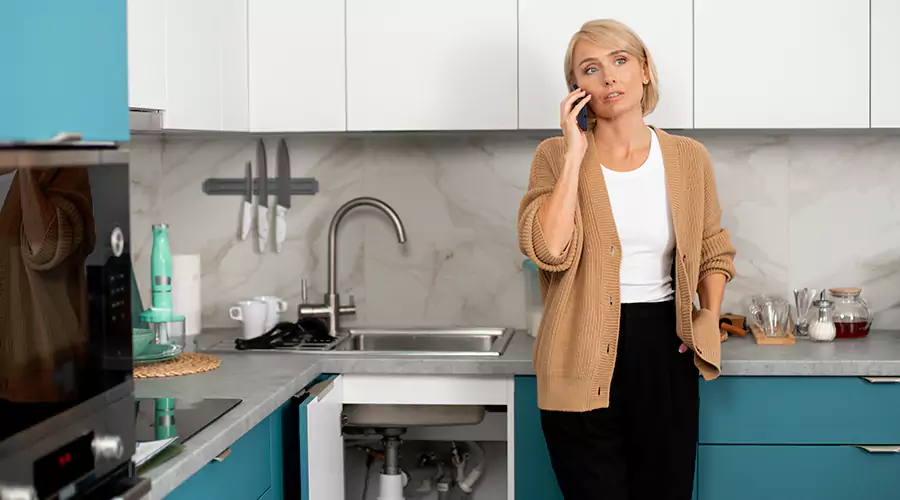
There are few household frustrations more aggravating than weak water pressure. When the problem affects just one faucet, the fix is usually simple. But when low water pressure occurs throughout your entire home, the cause is likely something more significant in your main supply, pipes, or pressure system.
Many causes of whole-house low water pressure can be diagnosed without calling a plumber. This guide covers the most common reasons your home's pressure has dropped and what to do about each one.
What Is Considered Normal Water Pressure?
Home water pressure is measured in pounds per square inch (PSI). For most households, the ideal range is between 40 and 80 PSI. Anything below 40 PSI is considered low and will noticeably affect your showers, faucets, dishwasher, and washing machine.
An inexpensive pressure gauge that attaches to an outdoor hose bib can give you a baseline reading and help you track whether pressure improves after adjustments.
Common Causes of Low Water Pressure Throughout the House
1. Check If the Problem Is With Your Water Supplier
Before inspecting anything inside your home, determine whether the low pressure is coming from your municipal water supplier. Call your water company or check their website for any reported service disruptions or main line breaks.
If neighbors are also experiencing low pressure, the problem lies outside your property and requires your utility provider to resolve it.
2. Inspect the Main Shutoff Valve
Your home has a main shutoff valve, typically near the water meter or where the supply line enters the home. If it is partially closed, it will restrict flow throughout the entire house.
Check that it is fully open. For gate valves, turn counterclockwise until it stops. For ball valves, the handle should be parallel to the pipe. Even a slightly closed valve can cause a noticeable pressure drop.
3. Check the Pressure Reducing Valve
Most homes built after the 1970s have a pressure reducing valve (PRV) installed where the main water line enters the home. This bell-shaped device regulates water to a safe pressure before reaching your fixtures. When a PRV fails or is misconfigured, pressure can drop significantly throughout the house.
Test by checking water pressure before and after the valve with a gauge. A licensed plumber can adjust or replace a faulty PRV, and the repair typically restores normal pressure right away.
4. Look for a Partially Closed Meter Valve
There is typically a second valve at the water meter on the street side, controlled by the utility company and only adjusted during repairs or meter changes.
If recent work was done on your street or meter, this valve may not have been fully reopened. Contact your water company to have it inspected.
5. Check for Corroded or Scaled Pipes
Older homes with galvanized steel pipes are vulnerable to internal corrosion and mineral scale buildup. Over time, deposits narrow the pipe interior, restricting flow and reducing pressure throughout the home.
Warning signs include rust-colored water, frequent clogs, and a gradual pressure decline over time. A plumber can inspect and recommend pipe replacement or relining to restore full flow.
6. Test for a Water Leak in the Main Line
A significant leak in your main supply line can reduce pressure throughout the home. To test, turn off all water and check your meter. If it is still moving, water is escaping somewhere in the system.
Signs include soggy patches in your yard, a spike in your water bill, or the sound of running water when nothing is in use. Main line leaks require immediate professional attention.
7. Evaluate Your Home's Demand and Pipe Size
Sometimes low pressure is not caused by a failure. If your household has grown, or if you have added fixtures, appliances, or an irrigation system, total demand may exceed what your pipes were designed to handle.
A licensed plumber can assess whether your supply line is adequately sized and recommend upgrades if needed.
Quick Troubleshooting Checklist
- Confirm neighbors are not also experiencing low pressure
- Check that the main shutoff valve inside your home is fully open
- Check that the meter valve at the street is fully open
- Test water pressure with a gauge and note the reading
- Inspect the PRV for correct setting or signs of failure
- Review your water bill for unexplained increases that may signal a leak
- Look for soggy ground or wet patches near your main supply line
Final Thoughts
Low water pressure throughout your entire home is a signal that something in your main supply system needs attention. By working through this guide, you can identify whether the issue lies with your supplier, a valve, your PRV, corroded pipes, or a hidden leak. Many of these checks take just a few minutes and can save you from an unnecessary service call.
When in doubt or when the problem persists, a licensed plumber can diagnose the root cause and restore your home's water pressure to where it should be.
Frequently Asked Questions
Can low water pressure damage my appliances?
Yes. Consistently low pressure can affect the performance and lifespan of dishwashers, washing machines, and water heaters, as these appliances rely on adequate pressure to fill and operate correctly.
How do I know if my PRV needs to be replaced?
If your pressure gauge reads significantly below the PRV's set point, or if adjusting the adjustment screw does not change the reading, the valve likely needs to be replaced by a licensed plumber.
Will replacing galvanized pipes improve my water pressure?
Yes, significantly. Replacing corroded galvanized pipes with modern PVC or PEX removes internal buildup that restricts flow and typically restores pressure to normal levels.
How much does it cost to fix a pressure reducing valve?
PRV replacement typically costs between $200 and $600 depending on the valve, your location, and labor rates. It is one of the more cost-effective plumbing repairs and can immediately resolve whole-house pressure problems.